
Creating a Drought-Resistant Landscape in Florida
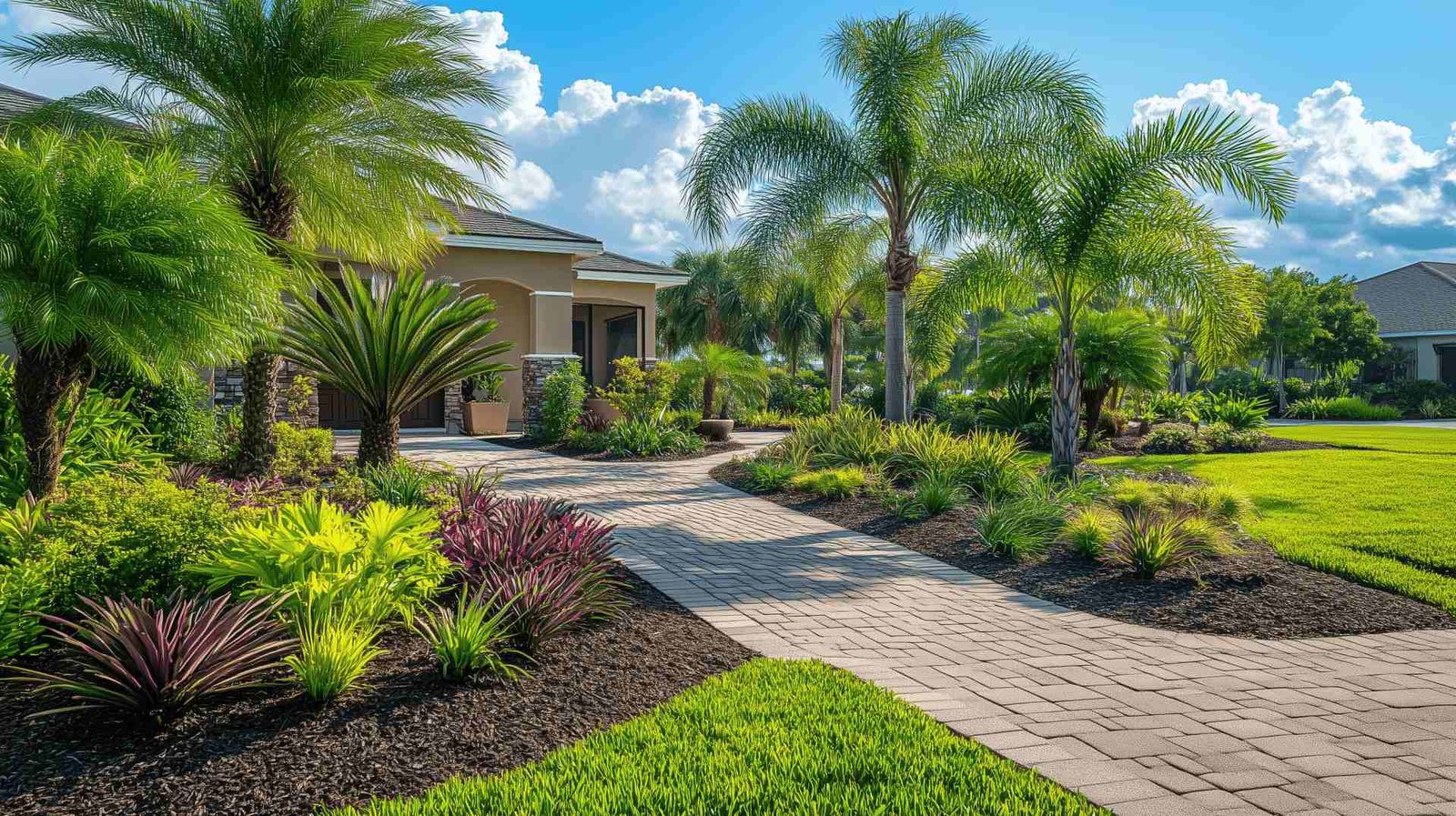
Florida’s climate presents unique challenges for property owners in Lakeland and Auburndale who wish to maintain attractive, thriving landscapes. With an average annual rainfall of 51 inches, one might assume that water scarcity is not an issue. However, the reality is more complex. Our subtropical climate, characterized by long, hot summers and brief, mild winters, coupled with uneven rainfall distribution, can lead to periods of drought that stress traditional landscaping.
For those looking to maintain healthy and vibrant landscapes in Lakeland and Auburndale, understanding the specific conditions of the area is crucial. This guide aims to provide residents with comprehensive, locally-relevant information on creating and maintaining drought-resistant landscapes. By implementing water-wise strategies, property owners can not only conserve this precious resource but also reduce maintenance costs and create more resilient outdoor spaces.
Effective Drought-Resistant Landscaping Techniques for Florida
Drought-resistant landscaping in Florida doesn’t mean sacrificing beauty for water efficiency. By employing strategic techniques, you can design a stunning and water-wise landscape that thrives in dry conditions. Here’s how to incorporate effective drought-resistant landscaping techniques in Florida:
Xeriscaping in Florida: Creating Vibrant, Water-Efficient Gardens
Xeriscaping in Florida focuses on creating vibrant gardens that are both visually appealing and water-efficient. To achieve this, consider the following drought-resistant landscaping strategies:
- Plan for hydrozones: Group plants with similar water needs together. This approach allows for more efficient water use and ensures that each plant receives the right amount of moisture.
- Embrace native plants: Opt for plants that are native to Florida. These plants are adapted to the local climate and require less supplemental watering, making them ideal for a drought-resistant landscape.
- Minimize turf areas: Replace traditional grass with drought-tolerant groundcovers. This reduces water consumption and maintenance while still providing a lush, green appearance.
Implementing these drought-resistant landscaping techniques will help you create a beautiful and sustainable garden that thrives even in the challenging Florida climate.
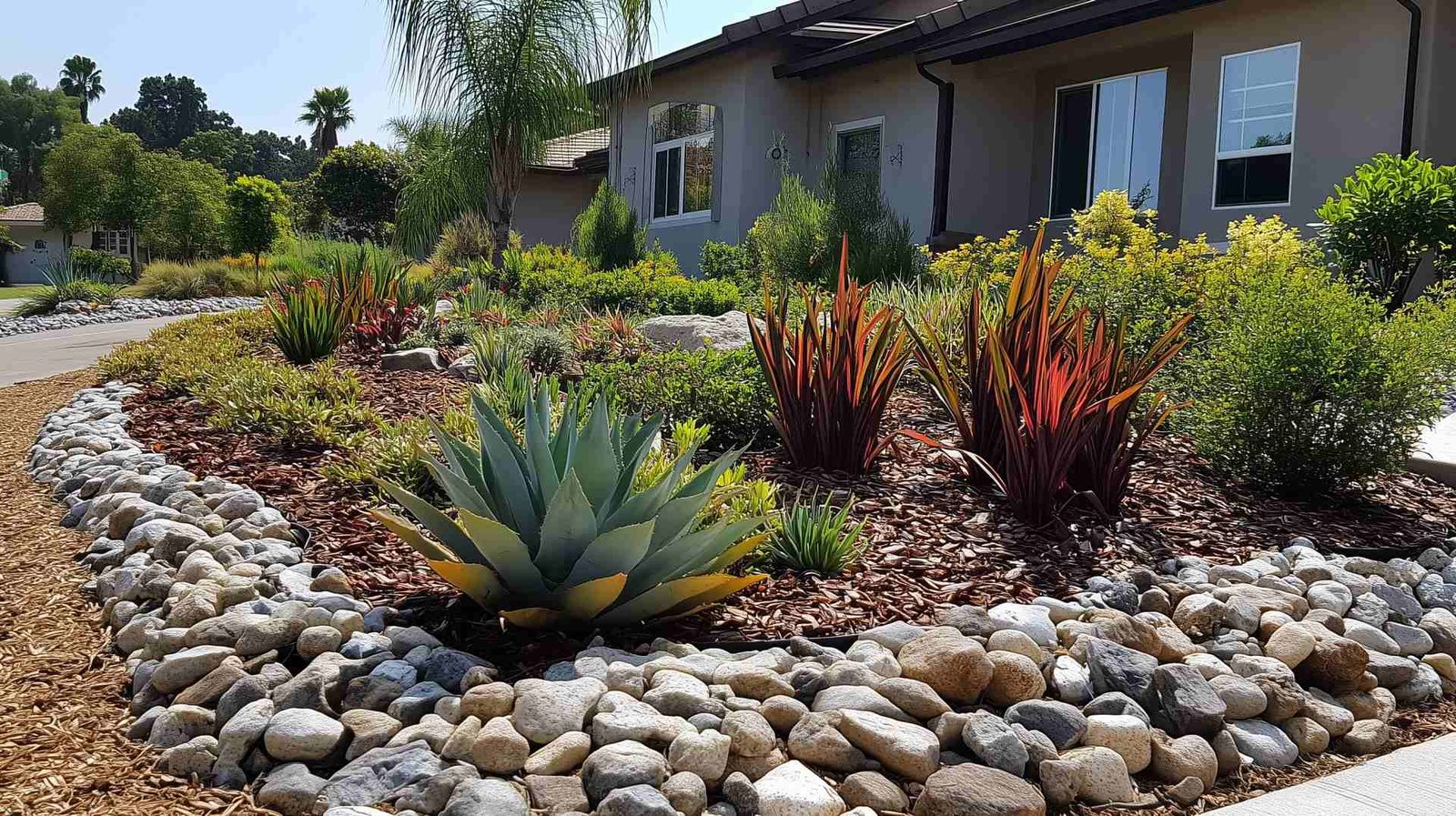
Efficient Irrigation Techniques for Water Usage
To maximize water usage and ensure your landscape receives the right amount of hydration, effective irrigation is key. Here are some practical methods for efficient irrigation that can help you achieve a lush, healthy landscape while conserving water:
- Irrigation & Sprinkler Tune-Ups: Regular maintenance of your irrigation system ensures optimal performance and water efficiency. Tune-ups include checking for leaks, adjusting sprinkler heads, and cleaning filters to ensure even water distribution and reduce waste.
- Smart Controllers: These advanced devices adjust watering schedules based on local weather conditions and can often be controlled remotely. Some smart controllers may even qualify for local rebates, so it’s worth checking with your local utility provider to take advantage of these savings.
- Proper Watering Schedules: To promote deep root growth, water your landscape deeply but infrequently. Early morning is the best time for watering to minimize evaporation. Adjust your watering frequency according to the season, reducing it in winter and increasing it during peak summer to ensure optimal hydration for your lawn and garden.
Incorporating these efficient irrigation methods will help you maintain a vibrant landscape while conserving water and reducing waste.
Optimal Plant Choices for Drought Conditions in Lakeland and Auburndale
Selecting the right plants is crucial for establishing a drought-resistant landscape in Lakeland and Auburndale. Choosing drought-tolerant plants ensures your garden remains resilient and attractive even during dry spells. Here’s a practical guide to help you choose the best plants for drought conditions:
Native Trees for Central Florida
For a drought-resistant landscape in Lakeland and Auburndale, opt for trees with deep root systems and features that minimize water loss. These native trees are well-suited for dry conditions:
- Live Oak (Quercus Virginiana): This tree’s deep roots access water from deeper soil layers, making it a robust choice for drought conditions.
- Bald Cypress (Taxodium Distichum): Adaptable to various conditions, including drought, it provides versatility in your landscape.
- Southern Magnolia (Magnolia grandiflora): Its waxy leaves help reduce water loss, making it ideal for dry environments.
- Winged Elm (Ulmus Alata): Known for its drought tolerance, this tree is a great addition to drought-resistant gardens.
Shrubs and Groundcovers
In Lakeland and Auburndale, consider shrubs and groundcovers that thrive with minimal water while enhancing the visual appeal of your landscape:
- Coontie (Zamia Integrifolia): A hardy plant with low water needs, perfect for adding texture to your landscape.
- Saw Palmetto (Serenoa Repens): This shrub offers a rugged look and is ideal for low-maintenance gardens.
- Yaupon Holly (Ilex Vomitoria): With its drought tolerance and attractive berries, it adds both beauty and functionality.
- Muhly Grass (Muhlenbergia Capillaris): Provides a soft, airy texture and thrives in dry conditions.
Florida-Native Ornamental Grasses
Ornamental grasses are excellent for drought-resistant landscapes in Lakeland and Auburndale due to their minimal water requirements and attractive appearance:
- Fakahatchee Grass (Tripsacum Dactyloides): Tolerates drought and adds a lush, tropical look.
- Sand Cordgrass (Spartina Bakeri): Adapted to dry conditions, this grass adds texture to the landscape.
- Gamma Grass (Tripsacum Floridanum): Ideal for adding vertical interest, it thrives in drought conditions.
Drought-Resistant Flowers and Perennials
Flowers and perennials that handle dry conditions will enhance your landscape’s beauty while requiring less water:
- Blanket Flower (Gaillardia Pulchella): Known for its vibrant blooms, this flower is both drought-tolerant and colorful.
- Beach Sunflower (Helianthus Debilis): Adds cheerful yellow flowers to your garden and thrives in dry conditions.
- Tropical Sage (Salvia Coccinea): Offers striking red flowers and is resilient in drought conditions.
- Butterfly Weed (Asclepias Tuberosa): Attracts butterflies and thrives with minimal water.
Succulents Suitable for Central Florida
Succulents are ideal for drought conditions due to their water-storing abilities. These succulents are well-suited for the climate in Lakeland and Auburndale:
- Prickly Pear Cactus (Opuntia Humifusa): Adds a desert-like feel to your garden with minimal water.
- Crown of Thorns (Euphorbia Milii): A hardy succulent with beautiful, long-lasting blooms.
- Agave (Agave Americana): Provides striking architectural interest and withstands dry conditions.
By integrating these drought-tolerant plants into your landscape, you’ll create a garden that thrives in Lakeland and Auburndale’s challenging climate.
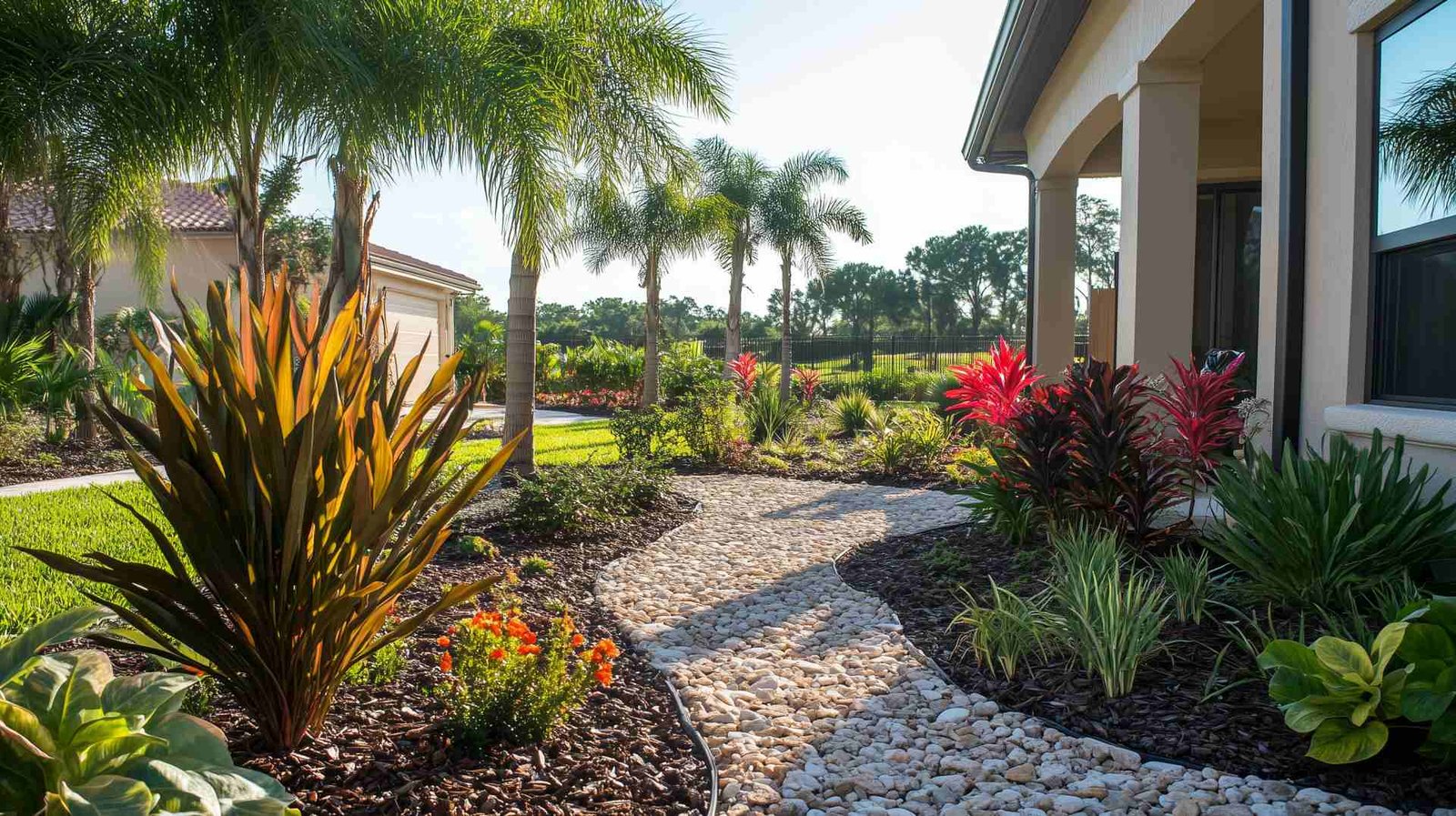
Creating Drought-Resistant Landscapes for Florida Homes
By implementing the strategies outlined in this guide, Lakeland and Auburndale homeowners can create beautiful, water-efficient landscapes that thrive in our unique Central Florida climate. From native plant selection to smart irrigation and soil improvement, these techniques will help you maintain a vibrant outdoor space while conserving water and reducing maintenance costs.
Ready to transform your property into a drought-resistant oasis? Trust Creative Edge Outdoor Solutions to bring your vision to life. Our local experts specialize in designing and implementing sustainable landscapes tailored to Lakeland and Auburndale’s specific needs. Contact Creative Edge Outdoor Solutions today at (863) 880-1355 or through our website’s contact form to schedule a consultation. Let us help you create a stunning, water-wise landscape that enhances your home and contributes to our community’s environmental well-being.