
Creative Edge Outdoor Solutions
Custom Fire Pit Installation in Lakeland, FL
Create a natural place to slow down, gather, and enjoy cooler Florida evenings—with the fire feature, surrounding surface, seating, access, and clearances planned as one space.
Fire features within the whole backyard
Plan the gathering area—not just the fire pit.
Creative Edge considers where people sit, how they reach the space, what surrounds it, and how the fire feature connects with the patio, home, landscape, and larger outdoor plan.
Choose the experience first
Gas and wood create different kinds of gathering spaces.
Fuel availability, operation, cleanup, flame character, smoke, storage, clearances, installation requirements, and local rules should be reviewed before a system is selected.
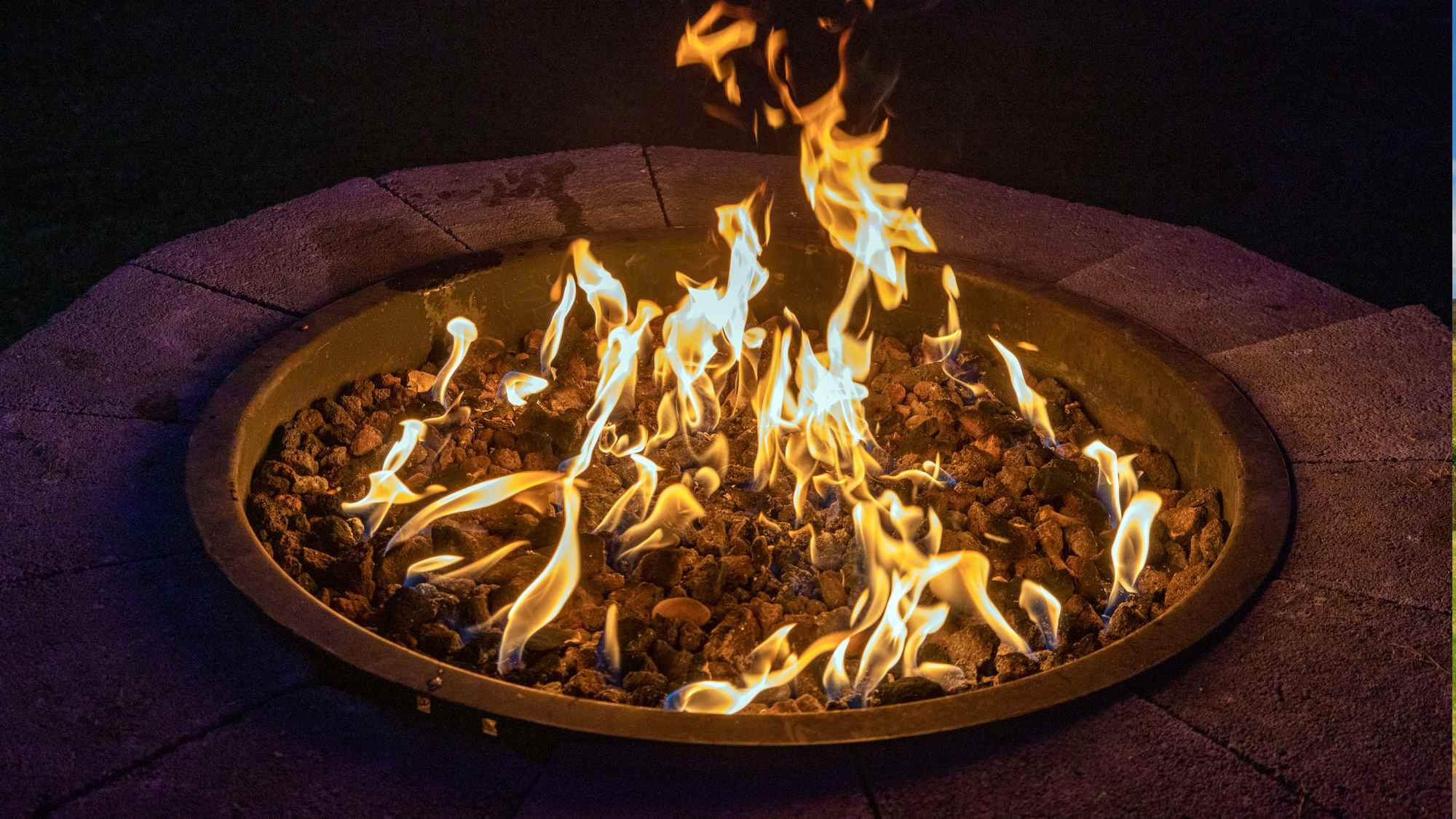
Gas fire features
Gas can provide quick ignition and simpler routine cleanup, but the system still requires appropriate equipment, fuel planning, ventilation, access, clearances, qualified installation, and compliance with applicable requirements.
- Convenient ignition and control
- Fuel-line or approved fuel-source planning
- Equipment access and shutoff coordination
Wood-burning fire pits
Wood offers a traditional flame experience, along with smoke, sparks, ash, fuel storage, cleanup, and operating considerations that must fit the property and be permitted for the intended location.
- Traditional flame, sound, and atmosphere
- Wood storage and ash management
- Wind, smoke, spark, and clearance planning
Design the space around conversation
Make the seating feel close without feeling crowded.
The right diameter and shape depend on the fire feature, seating type, clearances, walking space, access, and the number of people expected to use the area.
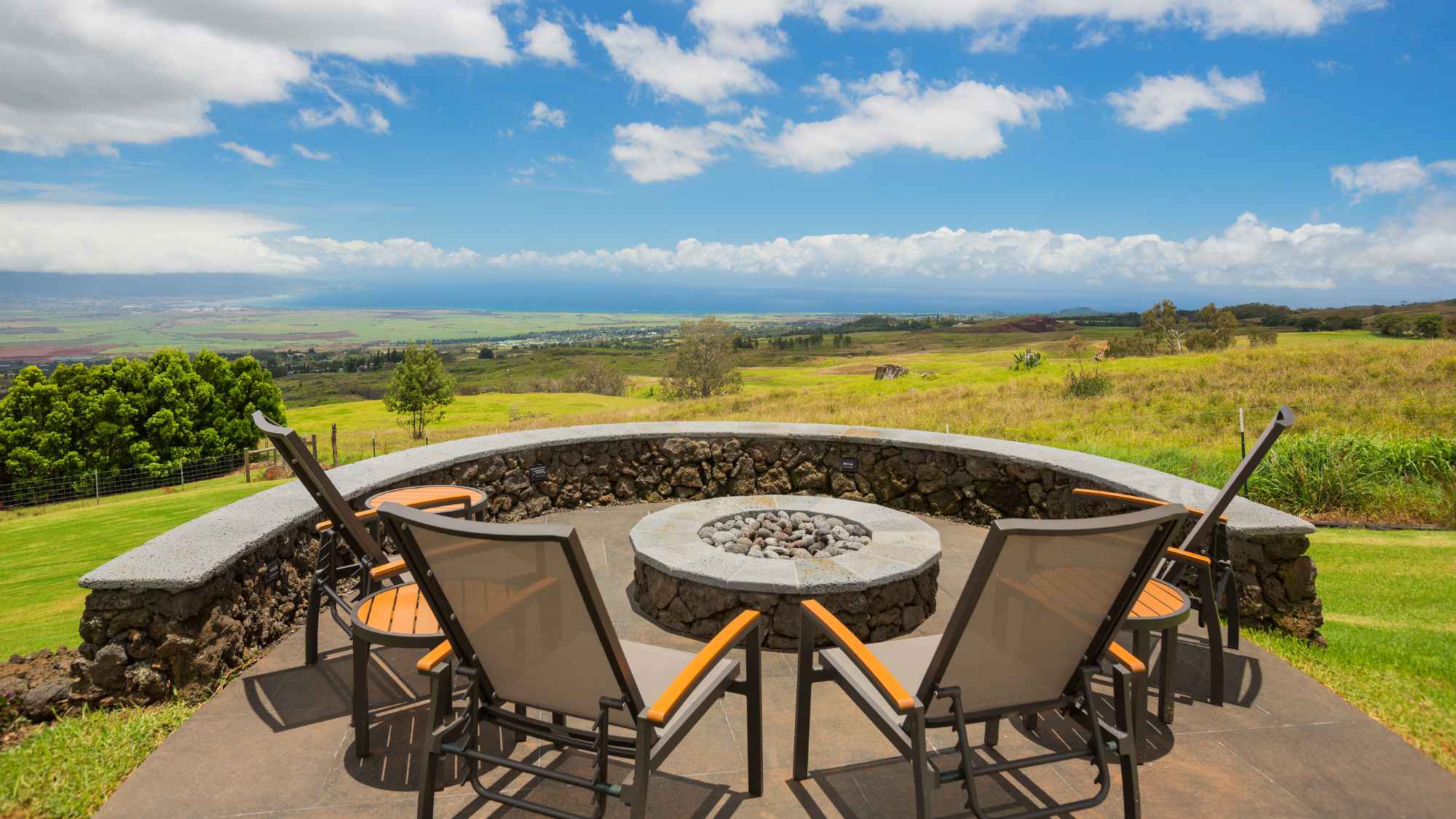
Fire pit site planning
The location has to work before the finishes do.
A fire feature should be evaluated in relation to the home, neighboring property, structures, trees, overhead conditions, utilities, wind exposure, drainage, access, and the surfaces people will use around it.
Structures and surroundings
Review buildings, fences, roofs, pergolas, vegetation, property constraints, overhead conditions, and manufacturer or code requirements.
Seating and circulation
Allow appropriate separation around heat and flame while preserving comfortable walking routes and access to the seating area.
Smoke and flame behavior
Consider prevailing conditions, openings, nearby seating, neighboring properties, and how different fuel types behave outdoors.
Patio and foundation
Coordinate the feature with a suitable base and surrounding paver patio, including elevations, loads, drainage, and material compatibility.
Utilities and service access
Gas systems require appropriate equipment, routing, shutoffs, ventilation, access, and qualified trade coordination based on the approved design.
Permits and operation
Confirm applicable jurisdictional, fire, building, utility, manufacturer, HOA, and property-specific requirements before installation and use.
Fire pit design options
Fit the form to the patio and the people around it.
Shape and finish matter, but they should follow the fuel system, clearances, seating plan, maintenance needs, and the architecture of the surrounding space.
Part of the larger backyard
Connect the fire pit without interrupting the yard.
A fire pit often works best as one destination within a larger outdoor living space. It should be easy to reach from the house and patio without forcing guests through cooking areas or narrow furniture paths.
Paver walkways, steps, low walls, lighting, and landscape transitions can help the space feel intentional after dark and comfortable during the day.
Landscape integration
Use planting to frame—not crowd—the feature.
Landscaping can soften the surrounding hardscape, create privacy, and guide views. Plant selection and placement should respect heat, clearances, smoke, wind, mature growth, irrigation, access, and ongoing maintenance.
If the backyard also includes an outdoor kitchen or pergola, the relationship between flame, cooking, shade, seating, and circulation must be reviewed as one plan.
Fire pit project path
Move from a gathering idea to a site-specific plan.
Define the experience
Discuss fuel preferences, seating, group size, location, style, operation, maintenance, budget considerations, and related backyard work.
Evaluate the site
Review dimensions, structures, access, surfaces, drainage, wind, utilities, vegetation, neighbors, and applicable requirements.
Coordinate the design
Finalize the approved fire system, layout, materials, seating relationship, utility responsibilities, clearances, and installation sequence.
Build the setting
Complete the appropriate base, patio, fire feature, approved connections, transitions, lighting, and surrounding landscape scope.
Lakeland and nearby service areas
Fire pit planning across Central Florida communities.
Creative Edge is based in Lakeland and serves nearby communities with fire features and gathering spaces planned around Florida weather, property conditions, outdoor routines, and the larger backyard.
Fire pit questions
What to know before requesting an estimate.
Fuel, location, size, surface, seating, utilities, clearances, materials, access, approvals, and the surrounding property all influence the appropriate scope.
Should I choose a gas or wood-burning fire pit?
The right choice depends on the experience you prefer, fuel availability, operation, cleanup, smoke, sparks, storage, utility work, local requirements, and the intended location.
What affects custom fire pit cost?
Size, shape, fuel system, equipment, utilities, site preparation, patio work, materials, access, seating, lighting, permits, trade coordination, and related landscape work affect scope.
Can a fire pit be added to an existing patio?
The patio and location must be evaluated for dimensions, condition, support, materials, drainage, clearances, fuel requirements, access, and compatibility with the proposed fire feature.
How much room is needed around a fire pit?
Required space depends on the fire system, manufacturer instructions, fuel, flame and heat characteristics, seating, circulation, nearby materials, structures, vegetation, and applicable requirements.
Can a fire pit be placed under a pergola?
Do not assume an overhead structure is appropriate. The specific appliance, ventilation, heat, combustible clearances, structure, manufacturer instructions, and applicable codes must be evaluated.
Which materials work well around a fire pit?
Materials must be appropriate for their location and exposure. The selected fire system, heat, base, patio, manufacturer requirements, weather, appearance, and maintenance should guide selection.
Do fire pits require permits or approval?
Requirements vary by jurisdiction, fuel type, utility work, property, HOA, setbacks, easements, fire rules, and installation scope. Confirm applicable requirements before work proceeds.
How should wind affect the location?
Wind can influence flame, smoke, heat, sparks, guest comfort, nearby openings, vegetation, and neighboring properties. Site conditions should be reviewed before final placement.
How long does fire pit installation take?
Timing depends on design, approvals, utilities, site access, patio work, materials, equipment availability, inspections, weather, and the complete project scope.
What should I provide for an estimate?
Share the property address, photos, approximate dimensions, preferred fuel, desired seating, existing patio and utilities, location ideas, access limitations, and related outdoor living plans.
Plan Your Fire Pit Project
1 of 8
Your preliminary planning summary
Selected service
Project complexity
Planning confidence:
Preferred timeline:
Recommended focus
Why this range
This preliminary planning range uses standardized Lakeland and Polk County market assumptions. It is not a quote, contract, guarantee, or offer. Final pricing requires an on-site assessment, verified measurements, material selections, access review, utility review, and confirmation of existing conditions.
Start with the setting
Plan a fire pit area made for real conversations.
Tell Creative Edge where the property is located, how you imagine using the space, which fuel experience you prefer, and what already exists in the yard. The team will confirm availability and discuss the next step.