
Creative Edge Outdoor Solutions
Paver Patio Installation in Lakeland & Polk County
Creative Edge designs and installs paver patios for homes and commercial properties around drainage, access, sandy soil, irrigation, existing landscaping, intended use, and Central Florida conditions.
A local outdoor-services company serving Central Florida.
Professional outdoor-service and hardscape support.
Service for residential and commercial properties.
Longstanding outdoor-service experience.
Based in Lakeland and serving nearby communities.
Patios considered alongside drainage and landscaping.
Paver patio service
Paver patios planned around your property, outdoor use, and Florida conditions.
A paver patio can create a stable outdoor area for seating, dining, grilling, entertaining, fire pit areas, pool-adjacent use, or quieter everyday time outside. The layout should fit the available space, the home’s access points, surrounding beds, irrigation, grade, drainage, and intended furniture.
Paver colors, sizes, borders, and patterns can be selected to coordinate with the home and other hardscape without adding details that compete with the architecture or landscape.
- Patio layouts for compact or larger outdoor spaces
- Planning around doors, gates, walkways, and furniture
- Grading and drainage considered before installation
- Options for borders, curves, fire features, and walkways
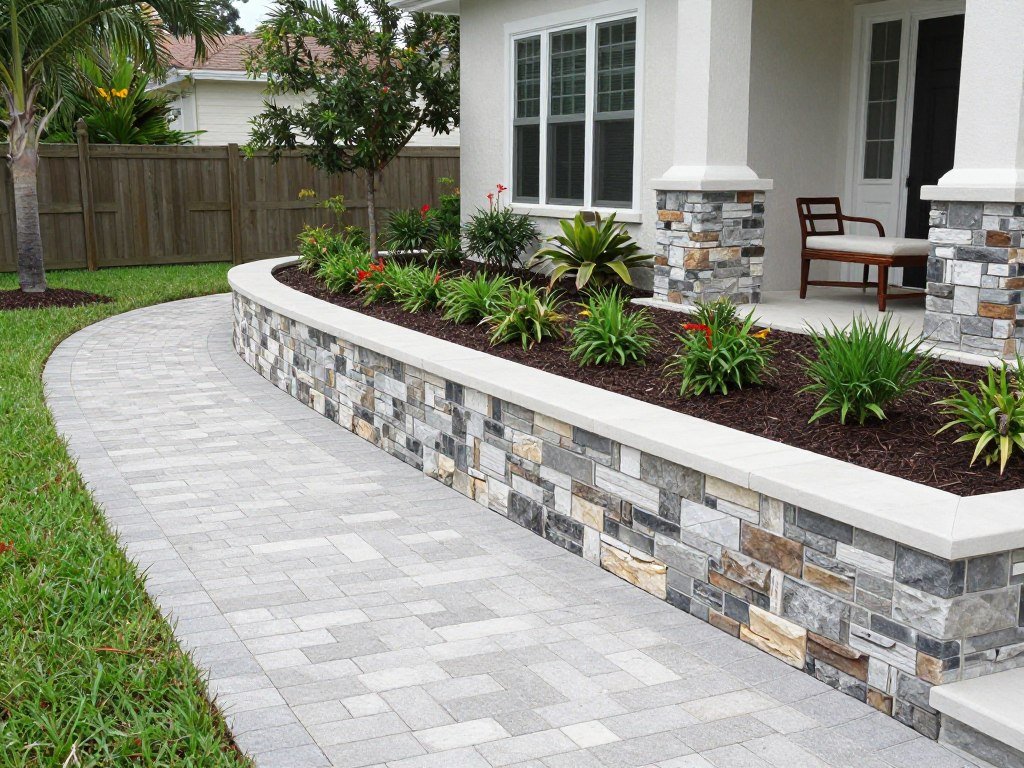
Central Florida planning
How Florida rain, soil, drainage, and irrigation affect paver patio installation.
Central Florida properties regularly deal with heavy rain, strong sun, sandy soil, irrigation, roots, changing landscape beds, and year-round outdoor use. Those conditions should be reviewed before the patio size, elevation, and edge treatment are finalized.
Drainage
The surface grade and surrounding edges should direct water appropriately instead of trapping it near the patio or home.
Base preparation
Excavation, base material, and compaction help support a stable surface over Florida soil.
Irrigation
Sprinkler heads, lines, overspray, and future repair access should be considered before hardscape covers the area.
Landscape edges
Turf, mulch, beds, roots, and maintenance access affect the finished border and long-term usability.
Paver work examples
Different paver surfaces require different layouts and site planning.
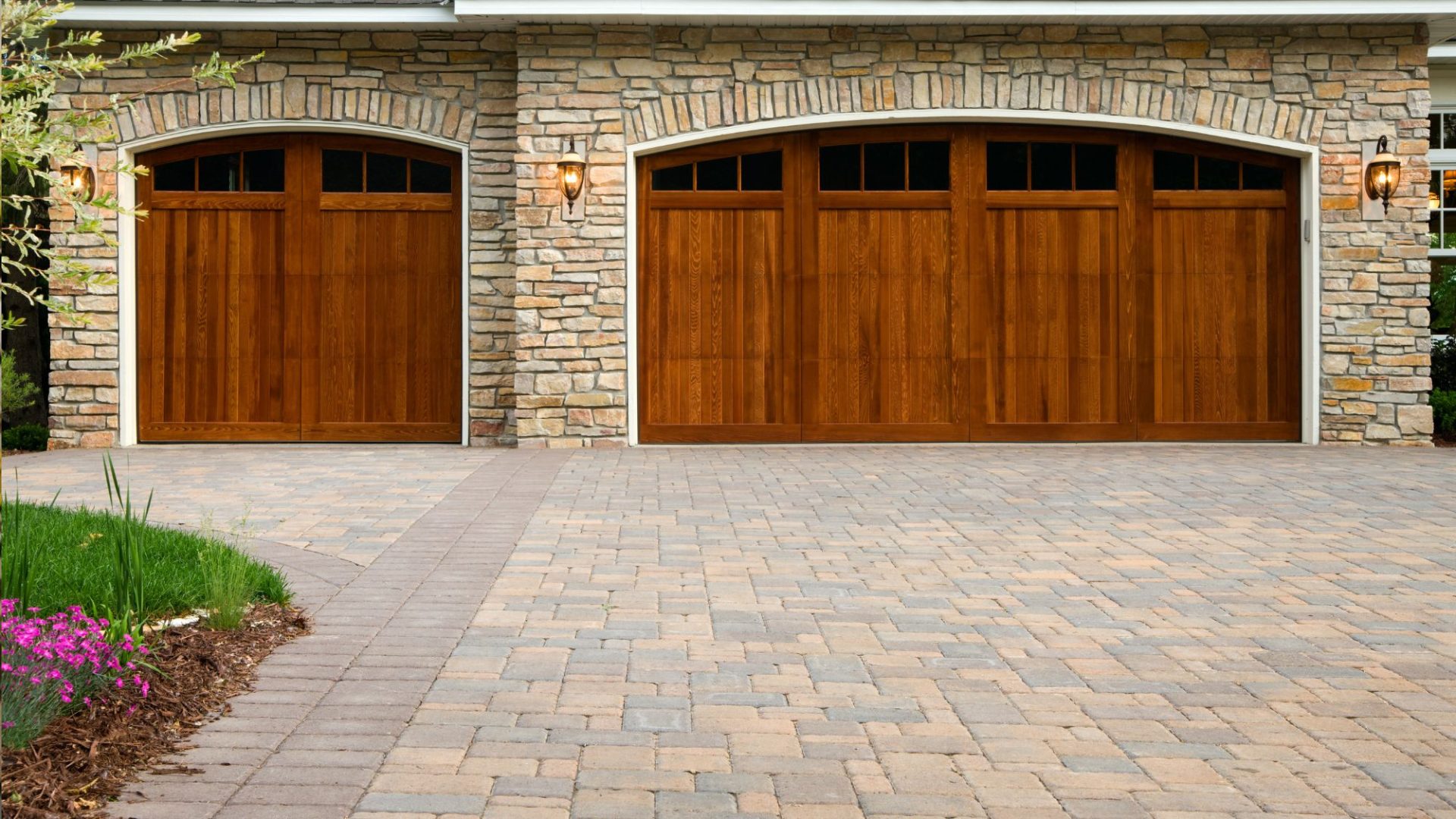
Brick-style paver surfaces
Warm paver tones and darker accents can coordinate with brick architecture, masonry details, and established landscaping.
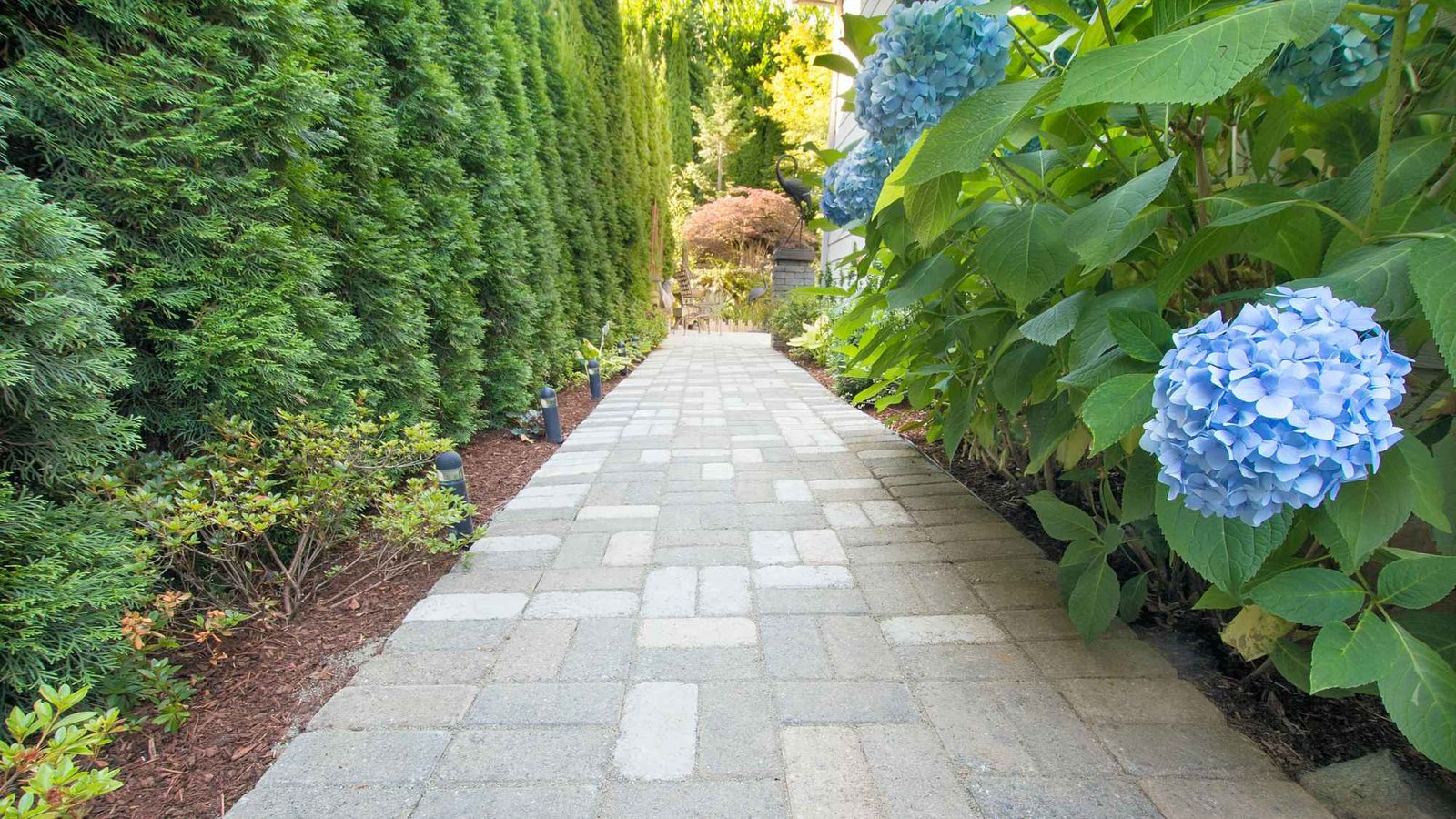
Curved paver layouts
Curves can follow the home, lawn, beds, and vehicle or foot traffic while keeping transitions practical.
Planning and installation
Our paver patio installation process starts with the site, layout, and intended use.
Review the property
Measure the area and review access, grade, drainage, irrigation, roots, doors, gates, and surrounding landscaping.
Plan the layout
Confirm the patio dimensions, intended furniture, traffic flow, pattern, colors, borders, and connected features.
Prepare the area
Excavate and prepare the grade, base, compaction, edge restraint, and finished surface elevation.
Install the pavers
Set the selected pattern, cuts, borders, edges, joint material, and final surface transitions.
Review drainage
Confirm how the surface meets the home, turf, beds, walkways, and surrounding grade.
Complete cleanup
Remove project debris and organize the work area and nearby landscape after installation.
Walk the project
Review the surface, edges, transitions, access points, and routine care considerations.
Use the space
Arrange furniture and use the patio as part of the home’s larger outdoor layout.
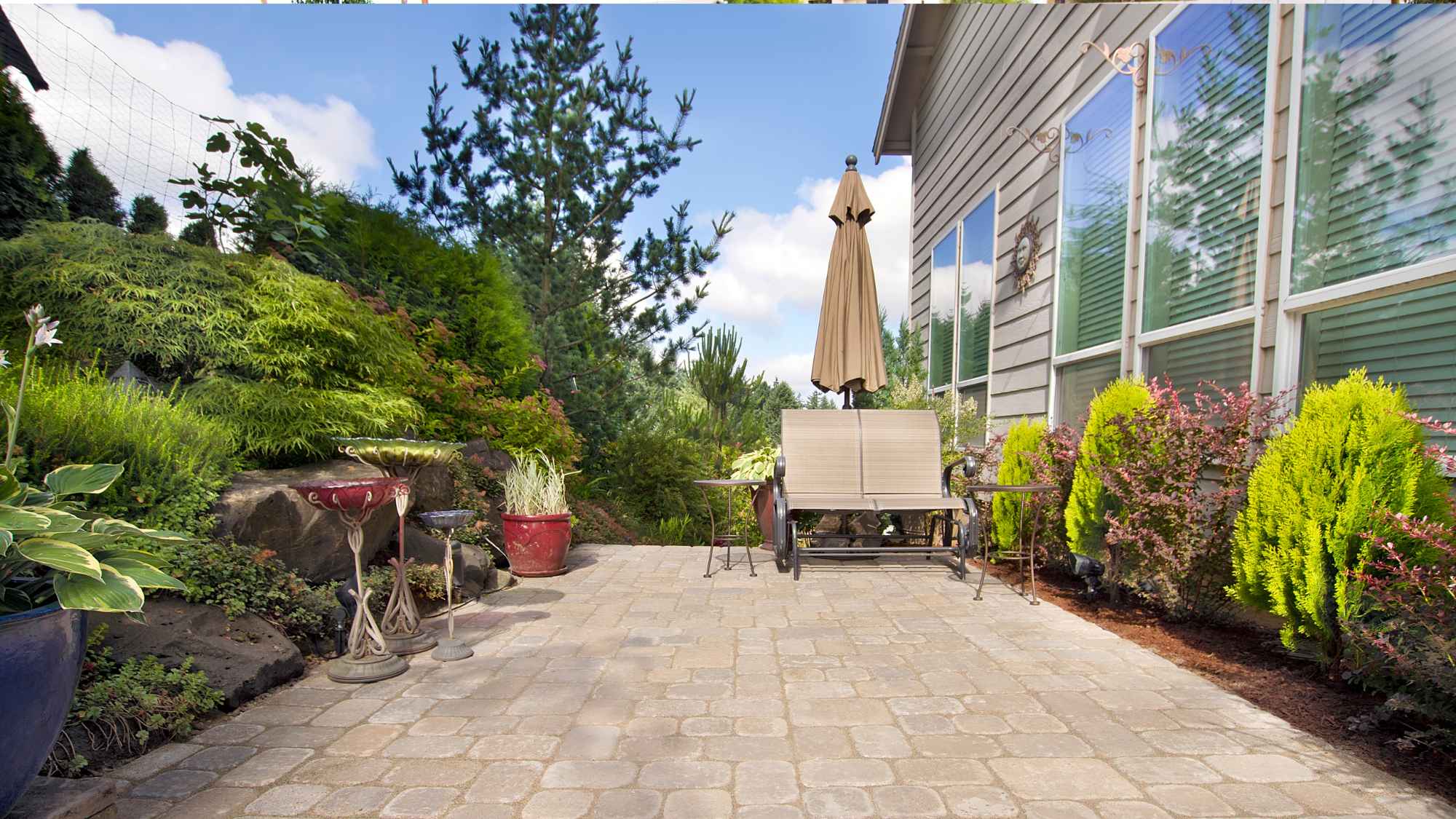
Materials and appearance
Paver styles, patterns, borders, and patio layouts for Central Florida homes.
Concrete, brick-style, and natural-stone-look pavers are available in different colors, sizes, and textures. The selection should complement the home and surrounding landscape while remaining appropriate for the intended use.
Accent borders can define the perimeter, reinforce curves, separate sections, or connect the patio visually with a walkway or other hardscape.
Color blends
Neutral, warm, or contrasting blends can coordinate with the home, roof, masonry, and landscape.
Patterns
The paver size and pattern affect movement, visual scale, cuts, borders, and the finished character.
Borders
Edge courses can frame the surface and create a clean transition to lawn, mulch, or adjoining hardscape.
Property coordination
A patio affects more than the finished paver surface.
The layout should account for the features around it so the patio remains practical for movement, drainage, landscape maintenance, irrigation access, and future outdoor use.
| Property condition | What should be reviewed | Why it matters |
|---|---|---|
| Heavy rainfall | Grade, runoff direction, edges, and nearby structures | Helps limit standing water and unwanted flow |
| Sandy or disturbed soil | Excavation, base depth, material, and compaction | Supports a more stable finished surface |
| Irrigation | Heads, lines, valves, overspray, and future access | Reduces conflicts with the watering system |
| Tree roots | Tree locations, visible roots, and growing area | Helps avoid preventable root conflicts |
| Existing landscaping | Beds, turf, mulch, plants, and maintenance access | Keeps the patio connected to the full property |
| Home access | Doors, steps, thresholds, gates, and furniture movement | Creates practical transitions and circulation |
Paver patio cost factors
What affects paver patio cost in Lakeland and Polk County?
Paver patio cost depends on the size of the area, access to the work site, excavation needs, existing grade and drainage, base material, compaction requirements, paver selection, pattern complexity, borders, curves, cuts, and connected features.
Features such as walkways, fire pits, outdoor kitchens, seating areas, lighting, or nearby landscape work can also affect the scope. A property review helps determine what preparation is needed before a useful estimate can be provided.
Patio size
Larger patios and multiple outdoor-use zones generally require more preparation, material, and installation time.
Site access
Gates, slopes, fences, tight side yards, and material access can affect how the work area is prepared and staged.
Drainage and base
Grade, runoff, soil conditions, base depth, and compaction needs can affect the installation approach.
Design details
Borders, curves, patterns, cuts, and connected features can change the final project scope.
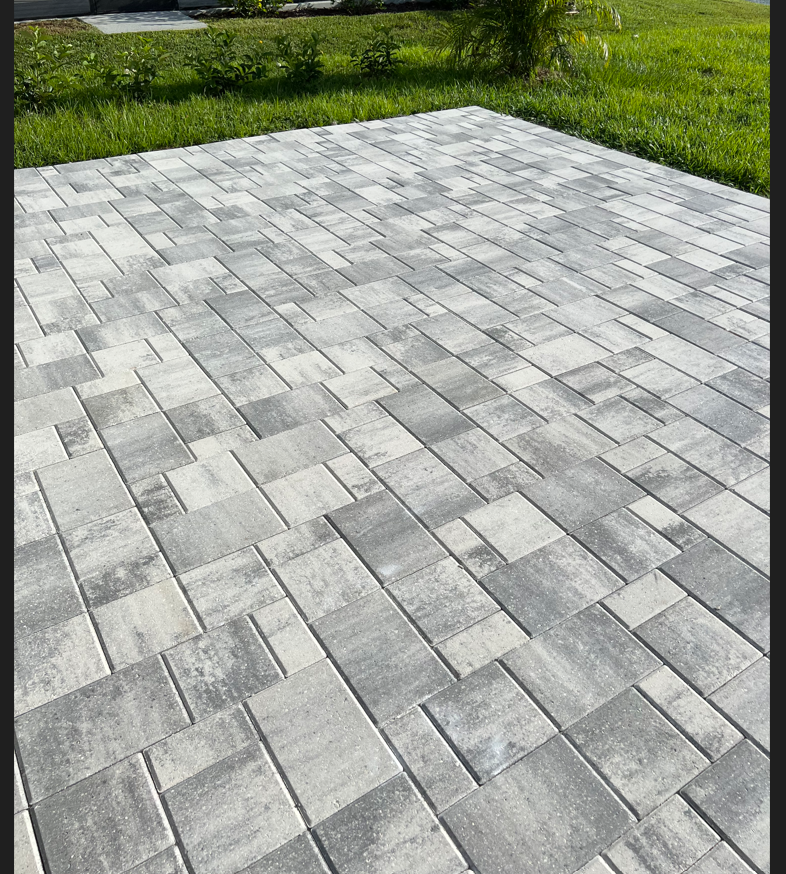
Additional paver example
Pavers can support patios, entrances, walkways, and larger hardscape areas.
Paver project gallery
Review completed hardscape work for layout, color, border, and landscape-integration ideas.
Plan the full area
Connect the patio with the rest of the outdoor space.
Creative Edge also provides paver walkways, fire pits, outdoor kitchens, pergolas, outdoor-living projects, landscaping, and irrigation services.
Related services
Continue the project with services that directly connect to a paver patio.
Service areas
Paver and hardscape service for Lakeland and nearby communities.
Project availability depends on the property location, scope, access, and current schedule. Contact the team to confirm service for your address.
Paver patio questions
Paver patio questions before requesting an estimate.
What affects the cost of a paver patio?
How long does paver installation take?
How is drainage handled around a patio?
Can a patio connect to a paver walkway?
Can a fire pit be included in the layout?
Do paver patios require maintenance?
Can individual pavers be adjusted or replaced?
What information should I send with my request?
Build Your Project Plan
1 of 8
Your preliminary planning summary
Selected service
Project complexity
Planning confidence:
Preferred timeline:
Recommended focus
Why this range
This preliminary planning range uses standardized Lakeland and Polk County market assumptions. It is not a quote, contract, guarantee, or offer. Final pricing requires an on-site assessment, verified measurements, material selections, access review, utility review, and confirmation of existing conditions.
Request a paver patio estimate
Start with the property, intended use, and site conditions.
Contact Creative Edge Outdoor Solutions with the property location, approximate project area, desired features, and any drainage, access, landscape, or irrigation concerns.