
Creative Edge Outdoor Solutions
Plant & Tree Installation in Lakeland, FL
Build a landscape with the right plants in the right places—selected around sunlight, mature size, soil, drainage, irrigation, maintenance, and the way your Central Florida property is used.
Local landscape installation
Plant for the property you have—not a generic plant list.
Creative Edge considers the home, lawn, beds, hardscape, irrigation, sun exposure, maintenance expectations, and the surrounding neighborhood before the planting plan is finalized.
Design with layers
Give every part of the landscape a job.
A finished planting plan should look balanced now and still make sense as it matures. That means deciding where shade, screening, structure, color, softness, and open space belong before selecting individual plants.
A living composition
Canopy.
Structure.
Color.
Ground plane.
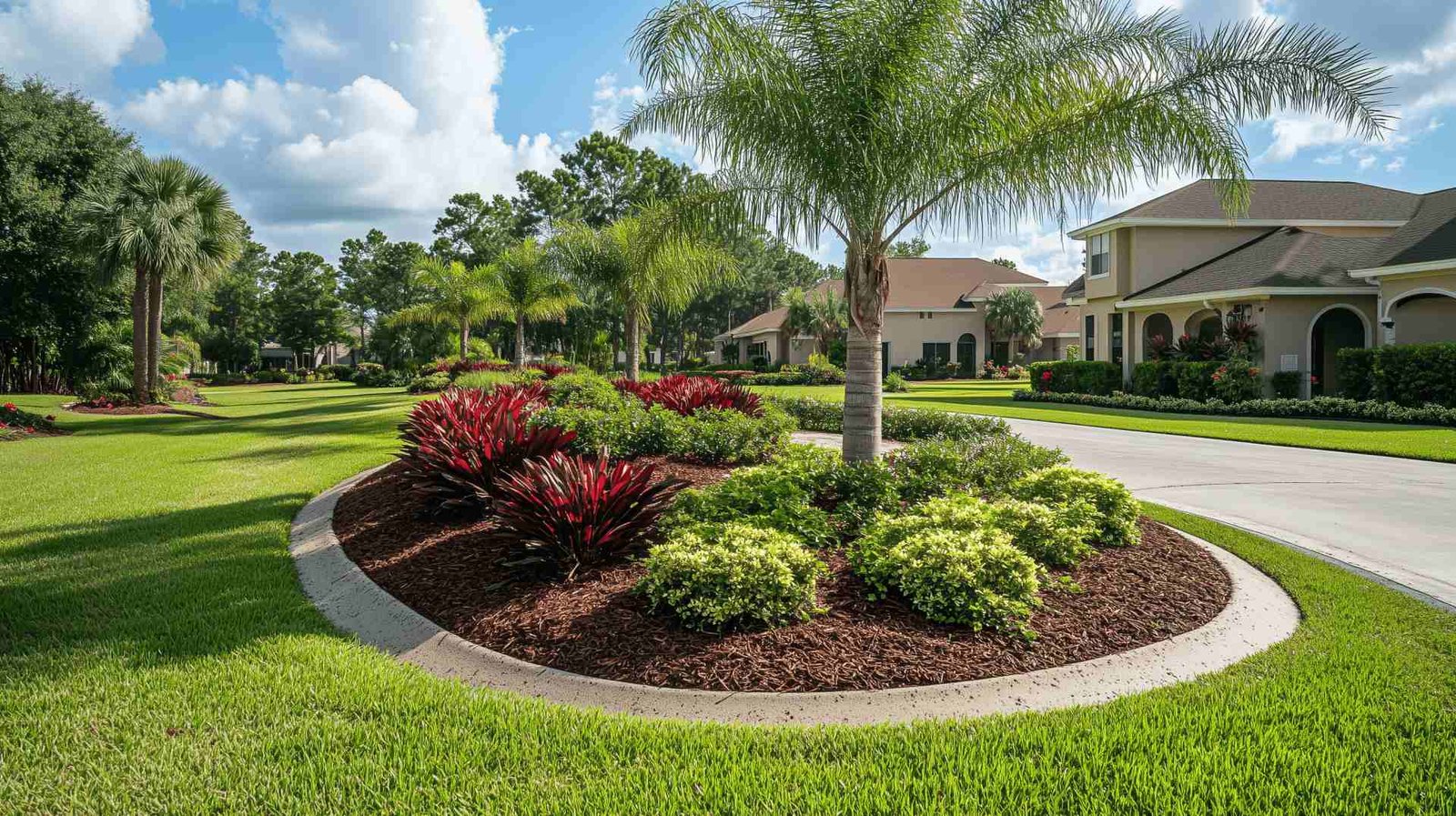
Layering trees, palms, shrubs, grasses, flowering plants, and groundcovers creates depth without turning every bed into a crowded collection.
Trees and palms
Provide height, shade, framing, or a focal point while respecting mature size, roots, utilities, structures, and wind exposure.
Shrubs and hedges
Define beds, soften foundations, screen selected views, and create repeatable form without blocking windows, access, or airflow.
Accent and flowering plants
Add color, texture, movement, and seasonal interest where irrigation, light, maintenance, and scale support the selection.
Groundcovers and bed edges
Cover soil, connect larger plant groups, and create clean transitions between beds, lawn, walkways, and hardscape.
Right plant, right place
Match the selection to the conditions that will not change.
Color is easy to notice in a nursery. Mature size, sunlight, drainage, root space, and irrigation are what determine whether the placement remains practical.
Sun and exposure
Review morning and afternoon sun, reflected heat, shade patterns, wind, walls, pavement, and seasonal changes before assigning plant locations.
Soil and drainage
Central Florida sites can vary. Existing soil, grade, compaction, low areas, organic matter, and water movement affect preparation and appropriate selections.
Mature size and spacing
Plan for trunks, canopies, root zones, hedge width, access, windows, equipment, sidewalks, drives, rooflines, and neighboring property—not just installation-day size.
See the landscape as one composition
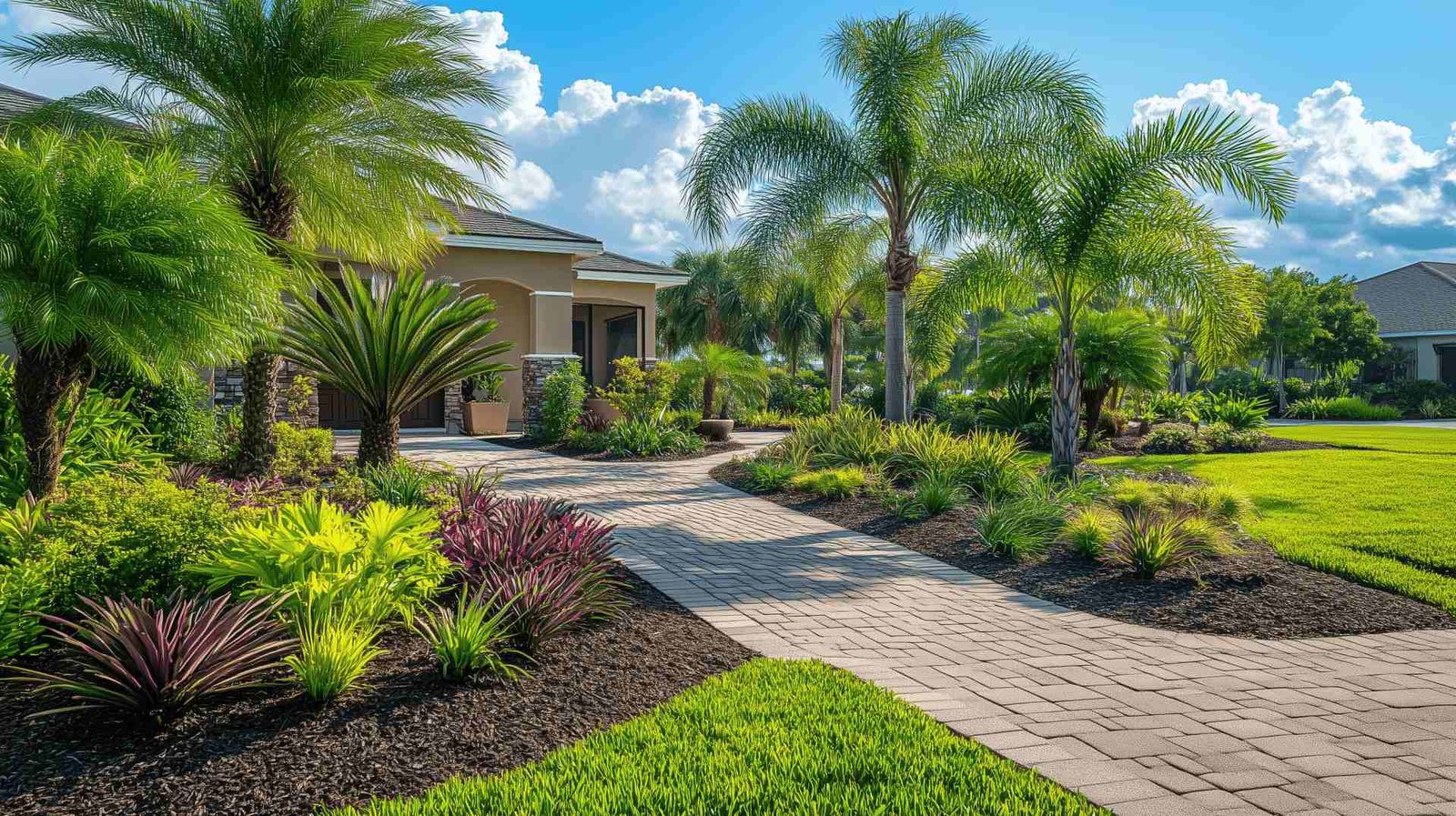
Create structure without losing the open feel of the yard.
Strong planting uses repetition, spacing, scale, and clear bed shapes. It can make an entry feel established, guide attention, create privacy, and frame outdoor spaces without filling every available foot.
Plant and tree installation services
Install individual improvements or a complete planting plan.
The appropriate scope depends on what already exists, what should remain, the condition of the beds, irrigation coverage, access, and the long-term goal for the property.
Installation details matter
Prepare the site for establishment—not just appearance.
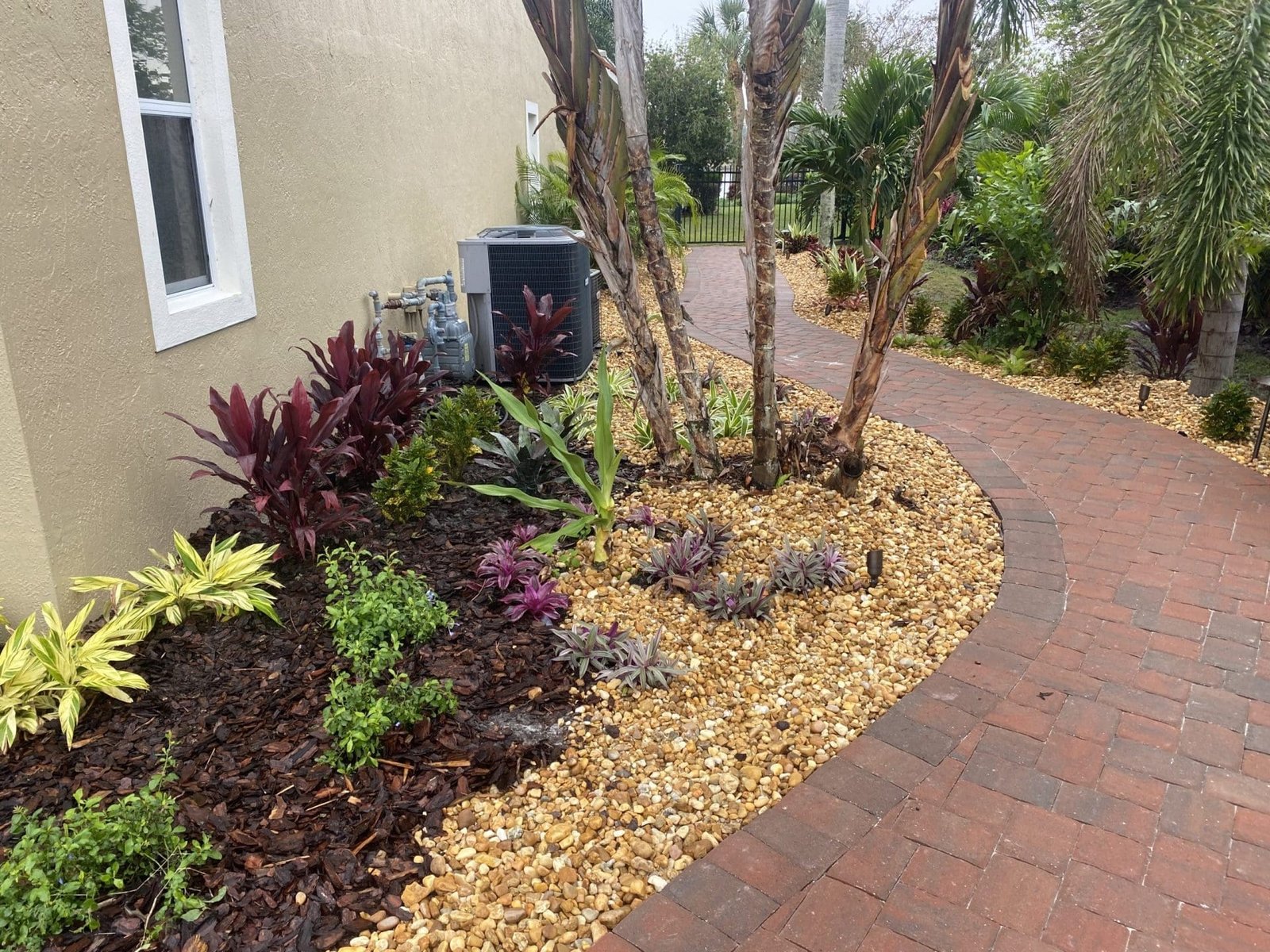
Planting depth, root-ball handling, backfill, spacing, staking where appropriate, bed preparation, mulch placement, drainage, and initial watering all affect the establishment period.
Installation should also protect existing utilities, irrigation, hardscape, lawn, and plants that are staying. If the project begins with a broader landscape design and build plan, those relationships can be resolved before materials arrive.
Completed Creative Edge work
See how planting changes the character of a property.
Browse completed landscapes to see how trees, palms, shrubs, groundcovers, beds, lawn, walkways, and outdoor features come together across different Central Florida properties.
The establishment period
The first weeks and months require attention.
New plants do not become established the day they are installed. Watering, weather, soil moisture, drainage, plant response, and maintenance practices must be observed and adjusted.
Confirm coverage
Review the irrigation system, zones, emitter or spray placement, runoff, and actual soil moisture rather than relying only on a timer.
Watch plant response
Look for wilting, persistent saturation, damage, settling, exposed roots, pests, or other signs that conditions need attention.
Maintain the root area
Keep mulch appropriately placed, reduce competition, avoid trunk contact, and prevent equipment damage around new trees and shrubs.
Prune with purpose
Allow plants to establish and use appropriate trimming and pruning practices based on the plant and desired form.
Coordinate the larger landscape
Connect planting with the work around it.
Plants perform better when irrigation, turf, beds, hardscape, drainage, and maintenance access are planned in the right sequence.
Lakeland and nearby service areas
Plant and tree installation across Central Florida communities.
Creative Edge is based in Lakeland and serves nearby communities with planting plans built around Central Florida sun, rain, soil, irrigation needs, mature growth, and year-round landscape use.
Plant and tree installation questions
What to know before requesting an estimate.
Selection, quantities, size, access, removal needs, bed preparation, soil, drainage, irrigation, material availability, and establishment care all affect the scope.
How do you choose plants for a Florida landscape?
Selections should fit the site’s sunlight, soil, drainage, irrigation, mature size, wind exposure, maintenance expectations, design goals, and the plant’s suitability for the intended location.
What affects plant and tree installation cost?
Plant type, size, quantity, availability, delivery, access, removal, excavation, soil and bed preparation, drainage, staking, irrigation work, mulch, cleanup, and project complexity affect scope.
Can you install privacy hedges?
Privacy planting can be planned around the desired screen, available width, mature height, spacing, sunlight, irrigation, pruning expectations, access, utilities, and property constraints.
How far should trees be planted from the house?
Spacing depends on the species, mature canopy and root characteristics, structures, foundations, rooflines, utilities, sidewalks, driveways, drainage, and site-specific conditions.
Is irrigation necessary for new plants?
New installations require reliable watering during establishment. The method and schedule depend on the plants, soil, drainage, weather, root zones, and actual moisture conditions.
When is the best time to install plants in Central Florida?
Timing depends on species, availability, weather, irrigation, and the ability to provide establishment care. Cooler conditions may reduce stress for some installations, but site-specific planning still matters.
Can existing landscape beds be redesigned?
Yes. Existing plants can be evaluated to determine what should remain, move, or be removed before bed shapes, soil, drainage, irrigation, new planting, mulch, and edges are planned.
Do you install native or Florida-friendly plants?
Native and climate-adapted options can be considered where they fit the site, design, availability, irrigation, soil, mature size, maintenance goals, and the intended landscape function.
How long do new plants take to establish?
Establishment varies by plant type, size, season, root condition, soil, irrigation, drainage, weather, and care. Larger plants and trees may require a longer observation and watering period.
What should I provide for an estimate?
Share the property address, photos, approximate areas, desired functions, style preferences, plants you like or dislike, irrigation information, access limitations, and related landscape plans.
Start with the site
Plan a landscape that has room to grow well.
Tell Creative Edge where the property is located, what you want the planting to accomplish, and what currently exists. The team will confirm availability and discuss the best next step for planning or an estimate.