
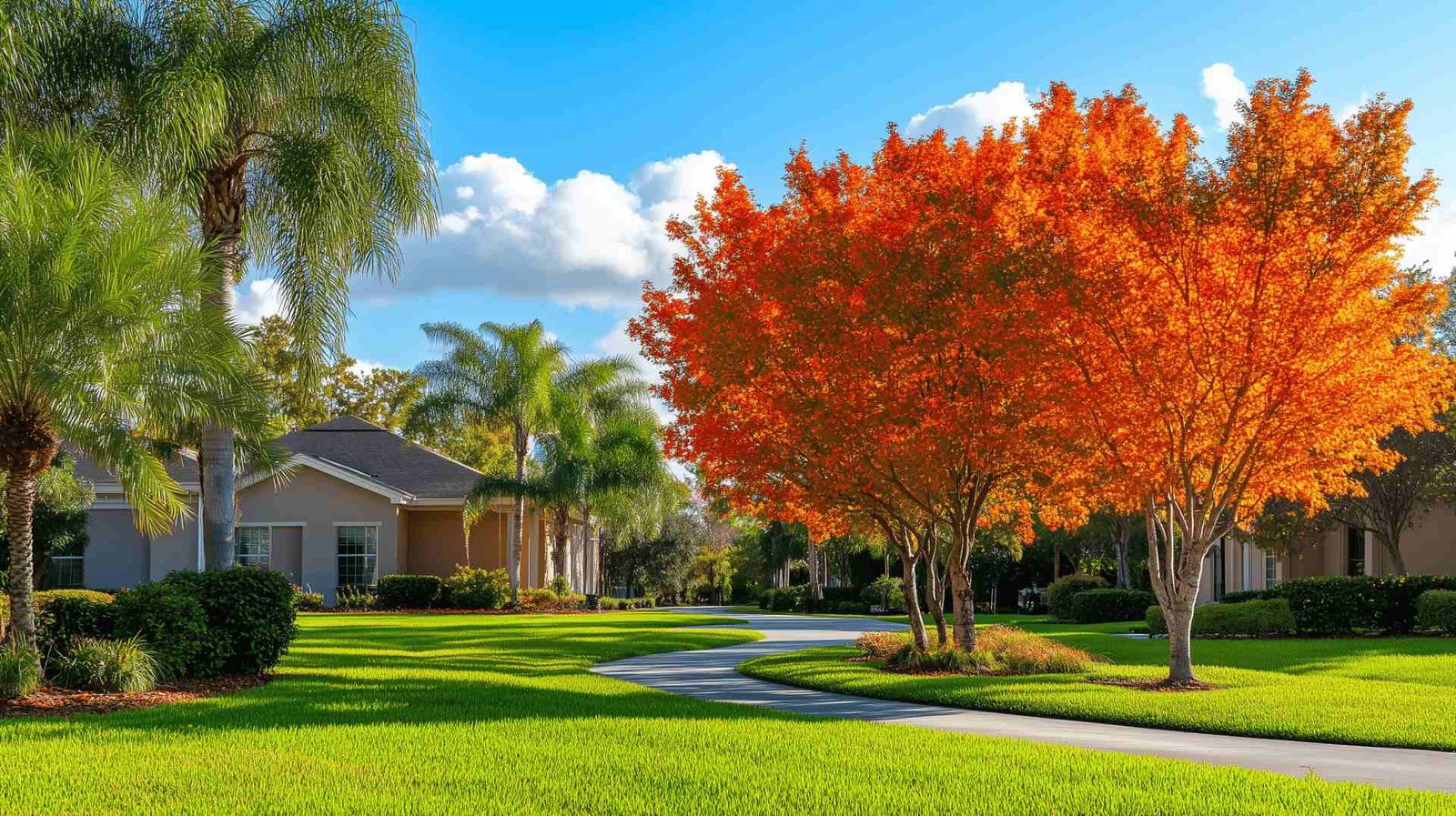
As summer fades and cooler weather sets in, it’s important to prepare your lawn for fall. Proper fall lawn care helps keep your grass healthy through the cooler months and ensures it thrives in the spring. This guide will cover key tasks like mowing and clearing debris, which are essential for maintaining your lawn’s health. We’ll also discuss the benefits of mulching fallen leaves and adjusting your watering schedule. By following these steps, you’ll support your lawn’s overall health and get it ready for the coming seasons. Let’s explore these practical tips to keep your lawn looking its best year-round.
Importance of Preparing Your Lawn for the Cooler Months
In Lakeland’s subtropical climate, the cooler fall temperatures and reduced sunlight can affect your lawn’s growth and health. As the grass slows its growth and begins to transition into a more dormant state, preparing it for the season helps it build resilience and maintain its vitality.
- Soil Health: Cooler temperatures reduce soil moisture evaporation, allowing for better nutrient absorption. Fall preparation ensures that your soil remains healthy and ready to support your lawn through winter.
- Lawn Density: Addressing lawn care in fall can prevent bare patches and weed infestations, promoting a denser and more robust lawn.
- Disease and Pest Resistance: A well-maintained lawn is better equipped to resist winter diseases and pests, ensuring it emerges strong and ready for spring.
Comprehensive Guide to Lawn Maintenance Practices
As the seasons change, your lawn care routine should adapt to the cooler temperatures and reduced grass growth. Fall mowing is crucial for preparing your lawn to endure the winter months, ensuring it remains healthy and robust.
-
Ideal Mowing Height
- Recommendation: Maintain your grass height at approximately 2.5 to 3 inches during the fall. This height provides sufficient insulation for the roots and helps the lawn withstand cooler temperatures.
- Impact: Longer grass can retain more moisture and offer better protection against the cold. Conversely, cutting the grass too short can stress the lawn and make it more vulnerable to diseases.
-
Mowing Frequency
- Adjusting Frequency: As grass growth slows down in the fall, reduce your mowing frequency. Typically, mowing every 1-2 weeks is sufficient, depending on the rate of growth.
- Benefits of Consistent Mowing: Regular mowing helps manage thatch buildup and keeps the lawn looking tidy. It also supports a healthier lawn structure by encouraging even growth.
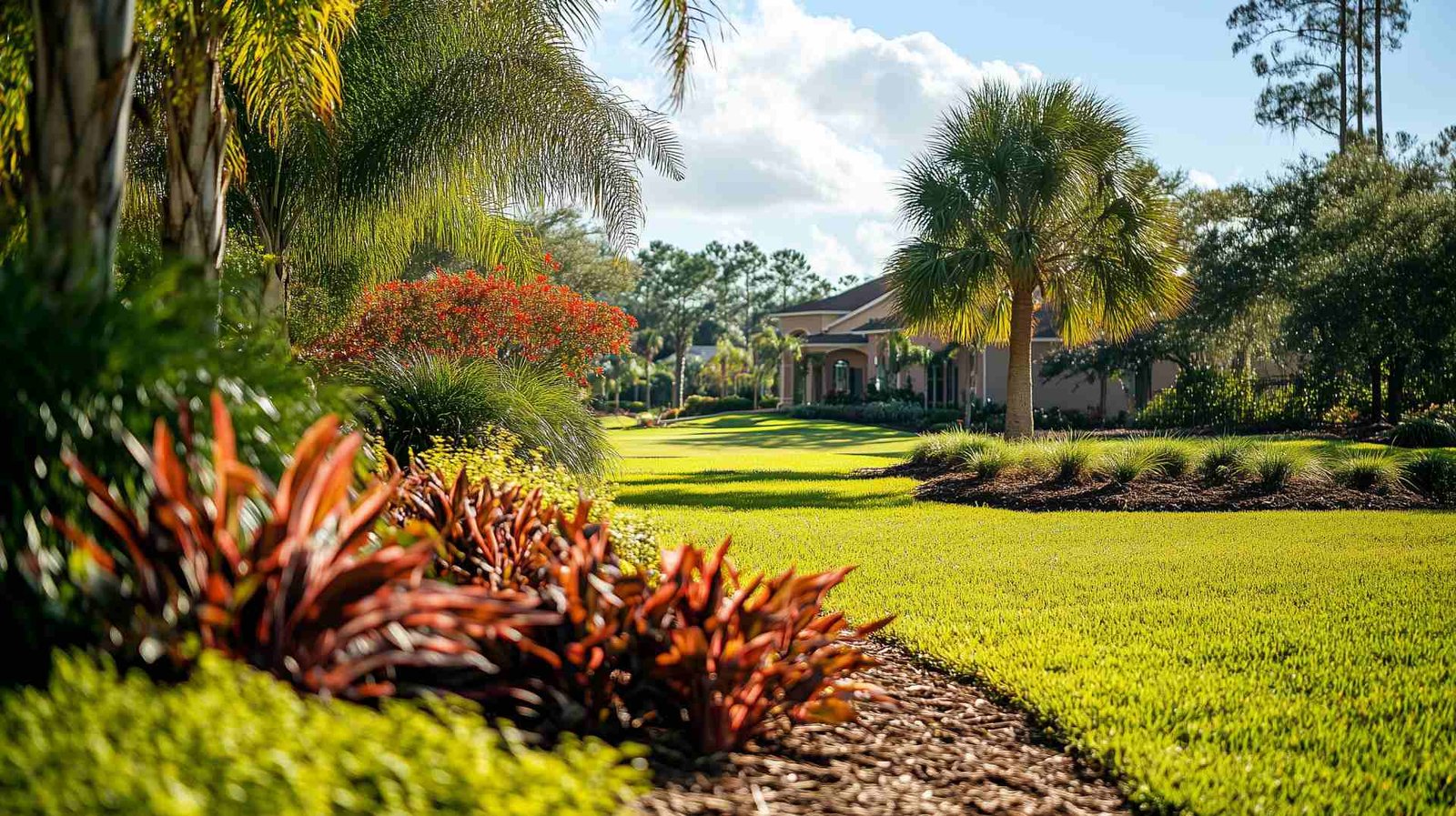
Debris Removal: Clearing the Way for Lawn Health
Keeping your lawn free of debris is key to a vibrant and healthy yard. Not only does it make your landscape look better, but it also helps your grass thrive in the long run.
-
Why Removing Debris is Crucial
- Preventing Mold and Fungal Growth: Accumulated leaves and debris can trap moisture, creating an environment conducive to mold and fungal diseases.
- Improving Air Circulation: Clearing debris ensures better air circulation, which is vital for maintaining lawn health and preventing issues related to poor ventilation.
-
Efficient Debris Removal Methods
- Recommended Tools: Use a leaf blower or rake to gather leaves and debris. For larger areas, a lawn vacuum or sweeper can be more efficient.
Techniques for Effective Cleanup: Ensure you remove debris from all parts of the lawn, including under trees and shrubs. Properly compost or dispose of the debris to avoid imbalances in soil nutrients.
Maximizing Fall Lawn Care with Effective Mulching and Leaf Management
With the fall season upon us, it’s the perfect time to give your lawn and garden a little extra attention. Mulching and managing fallen leaves not only keep your outdoor spaces looking great but also help your plants thrive through the colder months. Let’s dive into why mulching is so beneficial and how to handle those autumn leaves effectively.
Benefits of Mulching in Fall
- Mulch Application:
-
-
- Insulates soil, protecting plant roots from temperature extremes and reducing winter damage.
- Retains soil moisture, benefiting plants during the drier winter months.
- Suppresses weed growth, preventing unwanted plants from competing with your garden’s desired flora.
-
- Types of Mulch:
-
- Organic Mulches: Pine bark, hardwood chips, or wood chips enrich soil as they decompose, adding nutrients.
- Decorative Mulches: Colored rubber mulch or decorative stones offer functional benefits like moisture retention and temperature regulation.
Managing Fallen Leaves
Fallen leaves can quickly cover your lawn, creating a layer that may smother grass and other plants if left unattended. Managing these leaves through mulching not only reduces the clutter but also benefits your garden by enhancing soil fertility and structure.
- Leaf Mulching:
-
-
- Use a lawn mower with a mulching blade or a leaf shredder to break leaves into smaller pieces.
- Adds organic matter to the soil, improving soil structure and fertility.
- Helps protect plants and reduces the need for additional fertilizers.
-
- Leaf Removal Options:
-
- Composting: Transform leaves into nutrient-rich compost to enrich garden soil.
- Leaf Vacuum or Blower: Efficiently collects and removes large quantities of leaves.
- Professional Services: Consider lawn care services that offer leaf removal and disposal for convenience.
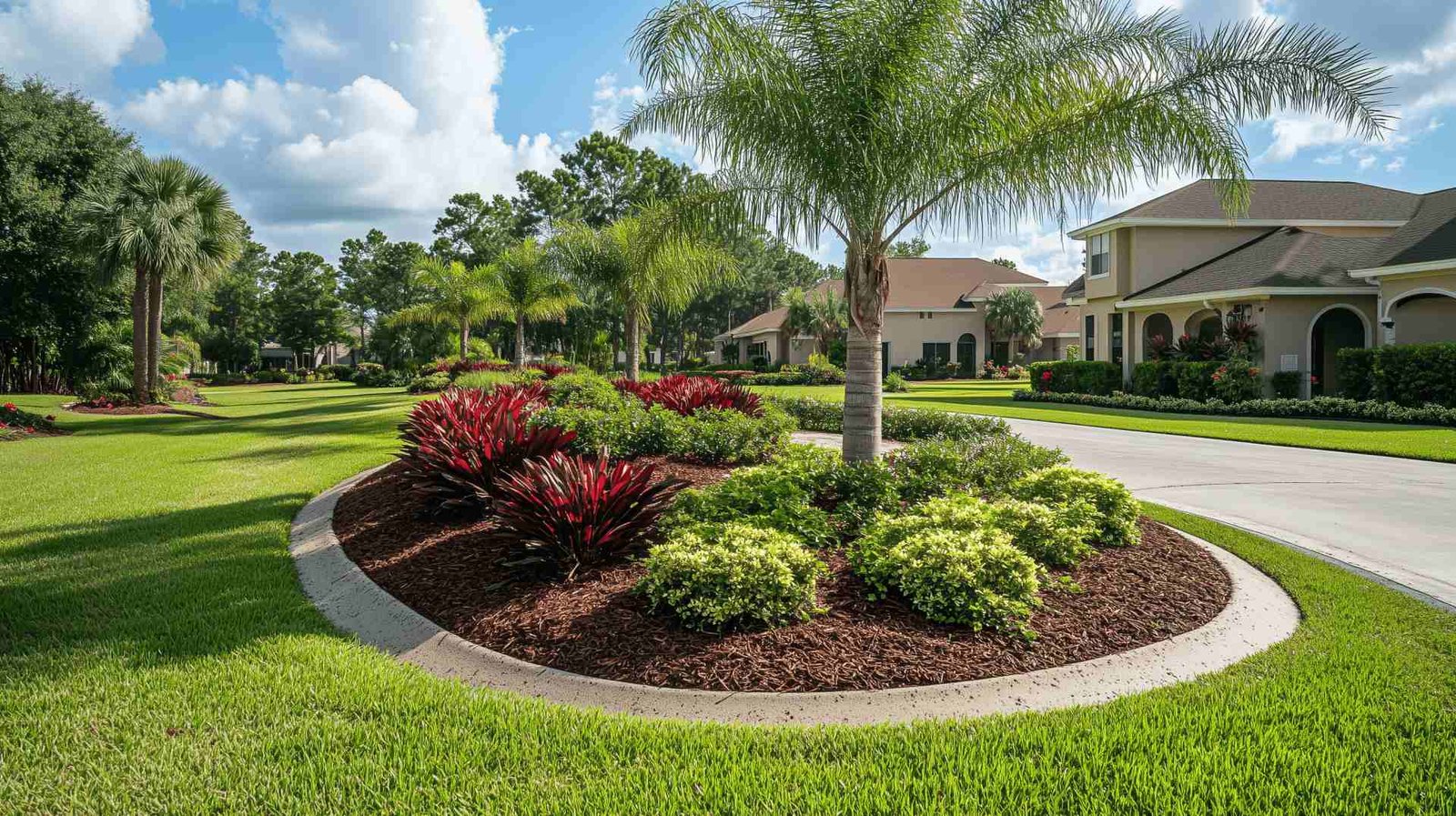
Adapting Your Watering Schedule for Fall: Reducing Watering Needs and Optimizing Frequency
As temperatures cool in the fall, your lawn’s water needs decrease significantly. It’s important to adjust your watering schedule to prevent over-watering, which can lead to root rot and other issues.
Modifying Watering Practices for Fall
- Reduced Watering Needs: Understanding how cooling temperatures reduce the lawn’s water requirements.
- Watering Frequency and Amount: Adjusting watering schedules to match fall conditions and prevent over-watering.
Get Your Lawn Ready for Fall with Creative Edge Outdoor Solutions
As fall arrives in Lakeland, it’s the perfect time to get your lawn in shape for the cooler months. Preparing your yard now can help it stay healthy and strong through winter and come back lush in the spring. By adjusting your mowing, clearing debris, mulching effectively, and fine-tuning your watering, you’re setting your lawn up for success.
If you want expert help with your fall lawn care, Creative Edge Outdoor Solutions is here for you. Our local team knows exactly what Lakeland lawns need to thrive. Give us a call at (863) 880-1355 or fill out our contact form to get started. Let us help you ensure your lawn looks its best all year round.